Table of Contents
Quick answer: Architectural shingles (also called dimensional or laminated shingles) are thicker, multi-layer asphalt shingles. Compared with standard 3-tab shingles, they last longer (about 25–30 years vs. 15–20), handle wind and hail better and have a more textured, high-end look. The main downsides are a higher upfront cost, more weight, and they aren’t suited to low-slope roofs.
Architectural asphalt shingles are a popular and reliable option when choosing the right material for your roof replacement. They offer a range of benefits that make them an attractive choice for homeowners, but like any material, they also have some drawbacks. In this comprehensive guide, we’ll explore the pros and cons of architectural asphalt shingles, helping you decide on your next roof replacement.
What are Architectural Asphalt Shingles?
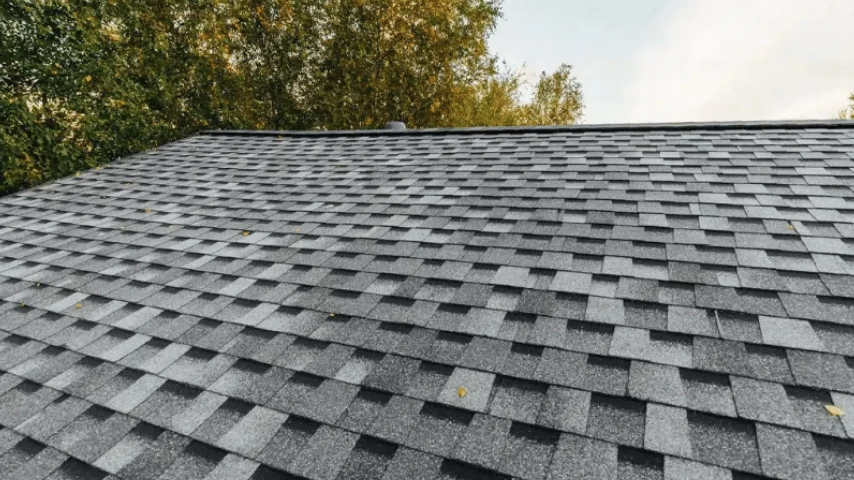
Architectural asphalt or dimensional or laminated shingles represent a premium category within the broader asphalt shingle family. Here’s a closer look at what makes them stand out:
Construction and Materials
- Fiberglass Base Mat: The core of these shingles is a fiberglass mat, which provides strength and stability. This mat is more robust than the one used in traditional 3-tab shingles, contributing to the product’s overall durability.
- Asphalt Coating: The fiberglass mat is coated with asphalt, a waterproof material that enhances the shingle’s ability to protect your home from the elements. This asphalt layer is thicker in architectural shingles, adding to their longevity and resilience.
- Ceramic Granules: Embedded within the asphalt coating are ceramic granules.
These granules serve multiple purposes:
- UV Protection: They shield the asphalt from the sun’s ultraviolet rays, which can cause degradation over time.
- Color Variety: The granules come in various colors, allowing for a wide range of aesthetic options to match your home’s exterior.
- Algae Resistance: Some granules are specially treated to resist algae growth, preventing unsightly black streaks on your roof.
Design and Appearance
- Thickness and Weight: Architectural shingles are noticeably thicker and heavier than 3-tab shingles. This added thickness provides a more substantial and durable roofing material.
- Sculpted Look: These shingles’ designs are more intricate and three-dimensional. They often mimic the appearance of natural materials such as wood shake or slate, giving your roof a high-end, textured look that can significantly boost curb appeal.
- Variety of Styles: Architectural shingles are available in numerous styles and colors, and they offer homeowners the flexibility to choose a look that complements their home’s architectural style and personal preferences.
Performance Benefits
- Enhanced Durability: Thanks to their construction, architectural shingles are more resistant to wind, rain, and hail. They often come with higher wind ratings, providing better protection during severe weather.
- Longevity: The robust materials and design mean these shingles typically have a longer lifespan than 3-tab. Homeowners can expect architectural shingles to last 25-30 years or more with proper maintenance.
- Aesthetic Appeal: Architectural shingles’ rich, dimensional appearance can add significant visual interest and value to your home, making them a popular choice for those looking to improve both function and form in their roofing materials.
Architectural asphalt shingles offer a compelling combination of enhanced performance and aesthetic appeal, making them a superior choice for many homeowners considering a roof replacement.
Architectural vs. 3-Tab Shingles at a Glance
| Architectural shingles | 3-tab shingles | |
|---|---|---|
| Construction | Multiple laminated layers, thicker fiberglass mat | Single layer |
| Look | Dimensional, can mimic wood shake or slate | Flat, uniform |
| Typical lifespan | About 25–30+ years | About 15–20 years |
| Wind and hail resistance | Higher; many carry higher wind ratings | Lower |
| Weight | Heavier | Lighter |
| Upfront cost | Higher | Lower |
| Best for | Most steep-slope homes | Budget projects, sheds |
For a deeper look at every shingle type, read Traditional vs. Architectural vs. Premium Asphalt Shingles.
Pros of Architectural Asphalt Shingles
- Enhanced Durability
One of the primary advantages of architectural asphalt shingles is their durability. Due to their thicker and more robust construction, they are more resistant to wind, rain, and hail than standard 3-tab shingles. Several types of architectural shingles are suitable for locations that experience severe weather because they can endure winds of up to 130 mph and are resistant to other severe weather conditions.
- Longer Lifespan
Architectural asphalt shingles typically have a longer lifespan than traditional shingles. While standard 3-tab shingles may last around 15-20 years, architectural shingles can last between 25-30 years or more, depending on the quality and maintenance. This extended lifespan can significantly reduce the long-term costs associated with roof replacement with architectural asphalt shingles.
- Improved Aesthetics
Architectural shingles offer superior aesthetics compared to their 3-tab counterparts. They come in various colors, textures, and styles, allowing homeowners to choose a look that complements their home’s architecture. The dimensional appearance of these shingles can add depth and character to a roof, enhancing the property’s overall curb appeal.
- Better Value
While architectural asphalt shingles may have a higher upfront cost than traditional shingles, their longer lifespan and enhanced durability can provide better value over time. Investing in a roof replacement with architectural asphalt shingles can save money on future repairs and replacements, making them a cost-effective option in the long run.
Wondering if the extra cost pays off for your home? See Are Architectural Shingles Worth the Investment?
- Fire Resistance
As an added safety measure, many architectural asphalt shingles are engineered to resist fire. This feature can be particularly important in areas where wildfires are a concern or building codes require fire-resistant roofing materials.
Cons of Architectural Asphalt Shingles
- Higher Cost
The most significant drawback of architectural asphalt shingles is their higher cost than traditional 3-tab shingles. The initial investment for materials and installation can be higher, which may concern homeowners on a tight budget. However, considering the benefits and long-term savings, many find the extra cost worthwhile.
- Weight
Architectural asphalt shingles are heavier than standard shingles, which can put additional strain on the roof structure. Before opting for a roof replacement with architectural asphalt shingles, ensuring that your roof can support the added weight is essential. In some cases, reinforcement of the roof structure may be necessary, adding to the project’s overall cost.
- Installation Complexity
Due to their thicker and more complex design, architectural asphalt shingles can be more challenging to install than traditional shingles. Because of this intricacy, labor prices can go up and installation times can go down. For a safe and secure installation, it’s best to hire roofing experts that have experience with these tiles.
- Not Ideal for Low-Slope Roofs
Architectural asphalt shingles are best suited for steeper roofs. They may not perform as well on low-slope roofs, where water drainage can be an issue. For low-slope roofs, alternative roofing materials like metal roofing or modified bitumen may be more appropriate.
- Potential for Algae Growth
In humid and shaded environments, architectural asphalt shingles can be susceptible to algae growth, which can cause dark streaks and affect the roof’s appearance. Many manufacturers offer algae-resistant shingles, which can add to the overall cost.
South Carolina’s humid summers make algae streaking common on shaded roofs, so ask for algae-resistant shingles when you replace your roof.
Architectural asphalt shingles offer a range of benefits that make them a popular choice for many homeowners. Their enhanced durability, longer lifespan, improved aesthetics, and better value make them attractive for those considering a roof replacement with architectural asphalt shingles. However, the higher cost, weight, installation complexity, suitability for specific roof slopes, and potential for algae growth are factors to consider.
Ultimately, the decision to opt for architectural asphalt shingles should be based on your specific needs, budget, and the unique characteristics of your home. By weighing the cons and pros, you can make a very informed decision that will provide lasting protection and beauty for your roof.
If you’ve decided to replace your roof with architectural asphalt shingles, it’s important to hire a reliable roofing contractor to make sure the job is done right.
Thinking about upgrading to architectural shingles? Eason Roofing installs architectural shingle roofs across York, Rock Hill and Fort Mill. Get a free roof replacement estimate or call (803) 631-4505.
Frequently Asked Questions
How long do architectural shingles last?
With proper installation and maintenance, architectural shingles typically last about 25–30 years or more, compared with about 15–20 years for 3-tab shingles. Climate, attic ventilation and installation quality all affect lifespan.
What’s the difference between architectural and dimensional shingles?
There isn’t one. “Architectural,” “dimensional” and “laminated” shingles are different names for the same multi-layer asphalt shingle.
Are architectural shingles better in storms?
Generally, yes. Their thicker, laminated construction holds up better to wind, rain and hail than 3-tab shingles, and many products carry higher wind ratings. Proper nailing and installation matter just as much as the shingle.
Can architectural shingles go on a low-slope roof?
They’re designed for steeper roofs. On low-slope roofs, water drains more slowly, so metal or a membrane system is usually a better choice.
Do architectural shingles cost more to install?
Yes. Both materials and labor cost more than 3-tab shingles because the shingles are heavier and more complex to install. Many homeowners find the longer lifespan offsets the higher upfront cost.
Can you install architectural shingles over existing shingles?
Building codes generally allow only one new layer over a single existing layer of shingles, and never over two or more. Even where an overlay is allowed, a full tear-off lets the roofer inspect and repair the decking and usually gives a better, longer-lasting result.
Want to Upgrade Your Roof to Architectural Asphalt Shingles?
At Eason Roofing, we specialize in delivering top-notch roofing solutions that enhance the beauty and longevity of your home. Our expert team is dedicated to providing exceptional service, ensuring your roof replacement with architectural asphalt shingles is seamless and stress-free.
Architectural asphalt shingles give most homeowners the best mix of durability, curb appeal and value. If you’re planning a roof replacement in York, Rock Hill, Fort Mill or nearby, Eason Roofing can walk you through color and style options for asphalt shingle roofing and give you a free estimate. Call (803) 631-4505 or request your estimate online.