Table of Contents
Yes, a small roof leak can quickly turn into a major problem if it is not repaired promptly. Even a minor leak can allow water to enter roofing materials, insulation, ceilings, walls, and structural components, causing damage that becomes more extensive and expensive over time.
Many homeowners underestimate the impact of a small leak because the visible signs often appear minor. However, water rarely stays confined to one area, and hidden damage can develop long before obvious symptoms become visible.
How Quickly Can A Small Roof Leak Cause Serious Damage?
The timeline varies depending on the size of the leak, weather conditions, roofing materials, and how often water enters the structure.
Water Damage Starts Immediately
Once water penetrates the roofing system, it begins affecting surrounding materials.
Moisture can enter:
- Roof decking
- Insulation
- Drywall
- Ceiling materials
- Wood framing
Even if visible damage is limited, deterioration may already be occurring beneath the surface.
Repeated Exposure Accelerates Problems
A leak during one rainstorm may not seem significant.
However, repeated moisture exposure compounds the damage over time.
Each rainfall can introduce additional water into vulnerable areas, increasing the risk of rot, mold, and structural deterioration.
Hidden Damage Develops First
Many leaks remain unnoticed because water travels before becoming visible indoors.
A stain on the ceiling may appear several feet away from the actual roof opening.
This delay often allows damage to progress unnoticed. Learning to recognize the warning signs discussed in this guide on identifying roof leaks can help homeowners catch problems sooner.
Early Repairs Save Money
Prompt roof leak repair in Rock Hill, SC can often prevent extensive interior repairs and reduce the overall cost of restoration.
Can A Minor Leak Lead To Mold Or Structural Issues?
Yes. Even a seemingly minor leak can create conditions that support mold growth and structural deterioration.
Mold Develops in Moist Environments
When moisture remains trapped inside walls, ceilings, or insulation, mold can begin developing.
Common areas affected include:
- Attics
- Ceiling cavities
- Wall spaces
- Insulation layers
Mold often develops before homeowners realize a leak exists.
Structural Materials Absorb Moisture
Wood framing, roof decking, and support structures can absorb water over time.
Prolonged moisture exposure may lead to:
- Wood rot
- Material weakening
- Structural instability
- Increased repair costs
Insulation Loses Effectiveness
Wet insulation becomes less efficient and may contribute to higher energy costs. Homeowners concerned about moisture-related performance issues may also benefit from understanding the relationship between roofing systems and energy efficiency.
Damaged insulation often requires replacement after significant water exposure.
Small Leaks Create Large Risks
One of the most overlooked aspects of roof water damage is how quickly hidden moisture can affect multiple building systems simultaneously.
What Are The Early Warning Signs Of Hidden Roof Leaks?
Hidden leaks often produce subtle warning signs before major damage occurs.
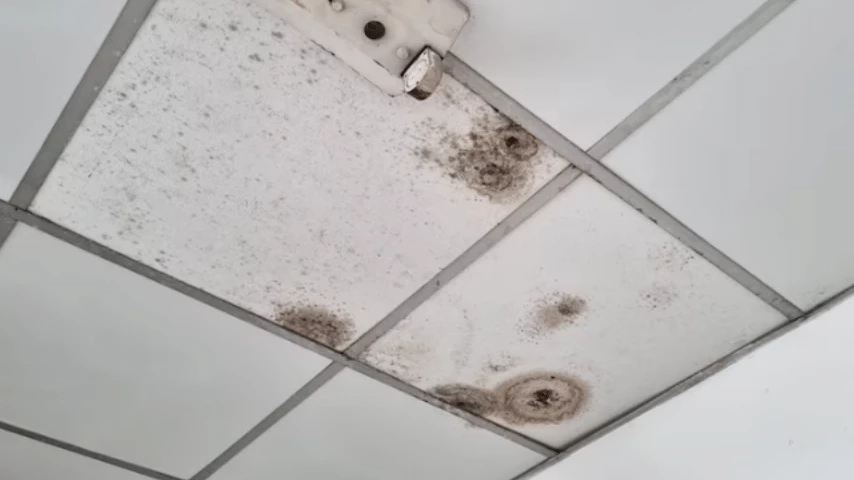
Ceiling Discoloration
Brown, yellow, or dark stains on ceilings often indicate moisture intrusion.
These stains may expand gradually as water continues entering the structure.
Peeling Paint or Bubbling Surfaces
Moisture trapped beneath paint can cause:
- Bubbling
- Peeling
- Cracking
- Surface distortion
These symptoms often appear before active dripping becomes visible.
Musty Odors
Persistent musty smells may indicate hidden moisture and mold development.
This is particularly common in attics and enclosed spaces.
Increased Humidity
Unexpected indoor humidity can sometimes signal moisture accumulation within walls or ceilings.
Visible Mold Growth
Mold around ceilings, walls, vents, or attic spaces should never be ignored.
Exterior Warning Signs
Homeowners should also watch for:
- Missing shingles
- Damaged flashing
- Loose roofing materials
- Sagging roof sections
If you notice any of these warning signs, scheduling a professional roof inspection can help identify issues before they worsen.
Is It Safe To Delay Fixing A Small Roof Leak?
Delaying repairs is rarely advisable.
Small Problems Rarely Remain Small
Roof leaks generally worsen over time because weather exposure continues affecting damaged materials.
What begins as a minor opening may expand due to:
- Wind
- Rain
- Temperature changes
- Material deterioration
Water Follows the Path of Least Resistance
As water enters the structure, it seeks new routes through roofing layers and building materials.
This can spread damage well beyond the original leak location.
Repair Costs Often Increase
Addressing a leak early may involve a relatively straightforward repair.
Waiting too long can result in additional expenses for:
- Drywall replacement
- Insulation replacement
- Mold remediation
- Structural repairs
- Interior finishing work
Insurance Complications May Arise
Some insurance policies may limit coverage if preventable damage worsens because repairs were delayed. Understanding how roof insurance claims work can help homeowners navigate potential coverage issues.
Professional Evaluation Is Important
If signs of leakage appear, scheduling roof leak repair in Rock Hill, SC quickly can help determine the extent of damage and prevent further deterioration.
How Much Damage Can Water Cause Inside Walls And Ceilings?
Water can cause extensive damage even when the leak itself appears minor.
Drywall Deterioration
Drywall absorbs moisture readily.
Prolonged exposure can lead to:
- Staining
- Soft spots
- Warping
- Collapse
Ceiling failures become more likely as water accumulates.
Damage Inside Wall Cavities
Water entering walls may affect:
- Framing
- Insulation
- Electrical systems
- Interior finishes
Because these areas are hidden, damage often progresses unnoticed.
Electrical Hazards
Moisture near wiring, outlets, or electrical panels can create safety concerns.
Water and electricity are a dangerous combination that should never be ignored.
Flooring and Furnishings
Leaks that travel downward can affect flooring materials and personal belongings.
Commonly damaged items include:
- Carpeting
- Hardwood flooring
- Furniture
- Electronics
- Stored possessions
Long-Term Structural Concerns
Persistent roof water damage may eventually compromise framing systems and load-bearing components. In severe cases, homeowners may begin noticing issues such as sagging roof rafters, which often indicate advanced structural deterioration.
The longer moisture remains present, the greater the likelihood of extensive repairs.
Secondary Damage Often Exceeds Roofing Costs
In many cases, interior repairs cost more than the original roof repair itself.
This is why addressing leaks promptly remains one of the most cost-effective property maintenance decisions homeowners can make.
Wrapping Up
A small roof leak should never be ignored. Even minor leaks can lead to mold growth, insulation damage, structural deterioration, and extensive roof water damage. Early warning signs include stains, odors, peeling paint, and humidity changes. Prompt inspections and repairs help prevent costly damage and protect the long-term integrity of your home.
Protect Your Home with Expert Help in Rock Hill, SC
At Eason Roofing, we understand how important it is to address home issues before they escalate. While we specialize in comfort solutions, we’re committed to helping homeowners stay informed and proactive about protecting their property.
If you’re dealing with a small roof leak or suspect roof water damage in Rock Hill, SC, don’t wait. Take action early and ensure your home stays safe, dry, and secure for years to come. To schedule an inspection or discuss your roofing concerns, visit our contact page.