
Table of Contents
Quick Answer: Ice storms can damage roofs through accumulated ice, falling tree branches, damaged gutters, and water intrusion during thawing. Excessive ice may also place additional stress on vulnerable roof structures. Homeowners should check for visible damage once conditions are safe and arrange a professional inspection if they notice leaks, missing shingles, or damaged roof components.
For homeowners in Rock Hill, York, Fort Mill, and nearby communities, the biggest concern isn’t always the ice itself. It’s what happens when tree limbs fall, gutters pull away, and melting water finds its way beneath roofing materials.
How Do Ice Storms Damage Roofs in the Carolinas?
Ice storms occur when freezing rain touches surfaces cold enough for the water to freeze on contact. Unlike snow, which can slide or blow off a roof, freezing rain coats shingles, gutters, flashing, and tree branches.
The damage depends on how much ice accumulates, how long freezing conditions last, and whether the roof already has weak or damaged areas.
Ice Accumulation Adds Weight to the Roof
A thin layer of ice may not cause structural problems, but significant accumulation increases the load on roofing materials and supporting components.
Most residential roofs are designed to withstand expected weather loads. However, older structures, weakened framing, or excessive accumulation may be more vulnerable.
Warning signs include:
- Visible sagging along the roofline
- Cracking or unusual structural noises
- Ceiling movement or deformation
- Damaged roof attachments
- Signs of structural separation
If you notice these conditions, stay away from the affected area and arrange professional assistance.
Falling Tree Limbs Can Damage Shingles and Decking
Trees are a major concern during Carolina ice storms.
As ice collects on branches, the additional weight can cause weakened limbs to snap. Large branches may puncture roofing materials, damage decking, or affect structural framing.
Even smaller branches can dislodge shingles, bend flashing, or damage gutters.
A branch doesn’t have to create a visible hole to cause problems. Impact damage may weaken roofing materials and allow water to enter during the next rainfall.
Can Ice Storms Cause Roof Leaks?
Yes. Roof leaks can develop during freezing weather or after temperatures rise and accumulated ice begins melting.
Water may enter through storm-damaged shingles, flashing, or other vulnerable areas.
How Ice Dams Form
An ice dam develops when melting snow or ice travels toward a colder roof edge and refreezes.
As ice builds up, it may prevent additional meltwater from draining normally.
Water can then collect behind the ice and move beneath shingles if the roofing system cannot resist the backed-up moisture.
Ice dams are more common in colder regions, but the right freezing and thawing conditions can occasionally occur in the Carolinas.
Why Roof Leaks Sometimes Appear After Thawing
You might notice nothing unusual while the roof is covered in ice, only to discover a ceiling stain when temperatures rise.
That’s because melting ice creates runoff that may reach openings left by storm damage.
Common warning signs include:
- Water stains near exterior walls
- Dripping around ceiling corners
- Damp attic insulation
- Moisture around skylights or vents
- Peeling paint or bubbling drywall
A leak appearing after an ice storm does not automatically mean an ice dam formed. Damaged flashing, loose shingles, and other roofing defects may also be responsible.
Which Parts of Your Roof Are Most Vulnerable to Ice Damage?
Different roofing components respond differently to freezing conditions.
Some experience direct impact damage, while others become vulnerable when accumulated ice interferes with drainage.
Asphalt Shingles
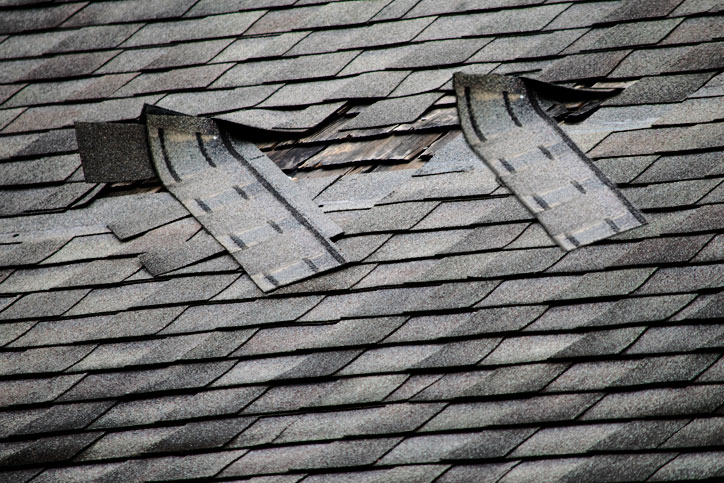
Falling branches and storm debris can crack, dislodge, or remove shingles.
Older shingles may be particularly vulnerable if they have already become brittle or deteriorated.
Once damaged, shingles may expose underlayment and other roofing materials to moisture.
Gutters and Downspouts
Gutters can hold substantial ice during prolonged freezing conditions.
The added weight may cause sections to sag, separate from fascia boards, or detach completely.
Ice blockages can also interfere with drainage when temperatures rise.
Check for bent gutters, loose brackets, separated joints, and downspouts that have pulled away from the house.
Flashing Around Chimneys and Skylights
Flashing directs water away from roof openings and connections.
Ice storms may damage flashing through falling branches or debris impacts.
When melting water reaches a damaged connection, it may enter beneath the roof covering.
If a leak appears near a chimney or skylight, the surrounding flashing and shingles should be inspected before assuming the fixture itself is defective.
Roof Valleys
Roof valleys collect runoff from adjoining slopes.
During thawing, large amounts of melting water may move through these areas.
Damaged valley flashing, debris, or existing roofing defects can increase the likelihood of water intrusion.
What are the Warning Signs of Ice Storm Roof Damage?
Some problems are obvious immediately after a storm. Others remain hidden until rain or melting ice exposes them.
You don’t need to climb onto the roof to recognize several important warning signs.
Exterior Signs to Look For
From a safe location, check for:
- Fallen branches resting on the roof
- Missing or displaced shingles
- Sagging or detached gutters
- Damaged vents or flashing
- Debris scattered around the roofline
- Visible changes in the roof’s shape
Avoid standing beneath hanging branches or damaged roofing components.
Interior Signs That Need Attention
Look for new ceiling stains, dripping water, peeling paint, or damp insulation in safely accessible areas.
Water entering near electrical fixtures requires particular caution.
A ceiling that appears swollen or sagging may indicate trapped water or structural concerns. Keep people away from the area and seek professional assistance.
Can Roof Damage Remain Hidden?
Yes. Storm damage isn’t always visible from the ground.
A branch may loosen flashing without removing shingles. Small openings can also allow moisture beneath the roofing system without creating an immediate interior leak.
If a tree strikes your roof or you notice new moisture afterward, a professional inspection can help determine whether repairs are necessary.
What Should You Do After an Ice Storm?
Once the storm passes, it’s tempting to start removing debris and checking the roof immediately.
However, ice-covered surfaces, damaged trees, and electrical hazards can make that dangerous.
Step 1: Check for Safety Hazards
Stay away from fallen power lines, unstable trees, and visibly damaged roof sections.
If you suspect structural damage, avoid the affected area until qualified professionals determine it is safe.
Never climb onto an icy roof or attempt to break accumulated ice with tools.
Step 2: Document Visible Damage
Take photographs from the ground or another safe location.
Include damaged gutters, fallen branches, displaced shingles, and interior water stains.
Record when the storm occurred and when you first noticed the damage.
Step 3: Limit Interior Water Damage
If water is entering your home, move furniture and belongings away from the affected area when safe.
Place containers beneath dripping water and keep electrical equipment away from moisture.
These steps may reduce interior damage, but they won’t fix the source of the leak.
Step 4: Arrange a Roof Inspection
Contact a roofing contractor if you notice visible damage, active leaks, or signs of structural problems.
An inspection can identify damaged materials and determine whether temporary protection or permanent repairs are needed.
Does Homeowners Insurance Cover Ice Storm Roof Damage?
Homeowners insurance may cover sudden damage caused by ice storms, but coverage depends on your policy and the circumstances of the loss.
For example, damage from a falling tree limb may be treated differently from deterioration caused by long-term maintenance problems.
What Damage May Qualify for Coverage?
Depending on your policy, covered damage may include:
- Roof damage from falling trees or branches
- Sudden damage caused by accumulated ice
- Storm-related gutter damage
- Resulting interior water damage from a covered event
Policy exclusions, deductibles, and coverage limits can affect reimbursement.
What Documentation Should You Keep?
Photograph the damage before repairs begin whenever safe.
Keep copies of roofing inspection reports, repair estimates, invoices, and receipts for temporary protective work.
Notify your insurance company promptly and follow its reporting requirements.
Eason Roofing’s insurance and roof claims resource provides additional information about documenting storm damage and navigating roofing claims.
The insurance company determines coverage, while a roofing contractor can help assess and document the physical damage.
How Can Homeowners Prepare Their Roofs for Ice Storms?
You can’t control freezing rain, but you can address existing roofing problems before winter weather arrives.
A few preventive measures can reduce avoidable damage.
Repair Damaged Shingles and Flashing
Loose shingles, damaged flashing, and unresolved leaks deserve attention before freezing conditions develop.
An existing opening may become a larger problem when melting ice sends water across the roof.
Keep Gutters Clear
Leaves and debris can interfere with drainage.
Clearing gutters before winter helps melting water move through the system when temperatures rise.
Have this work completed before icy conditions make roof access hazardous.
Check Overhanging Trees
Dead, damaged, or weakened branches can become dangerous when coated with ice.
A qualified tree professional can identify limbs that may threaten the roof.
Address Attic Insulation and Ventilation
Uneven roof temperatures can contribute to ice dam formation when snow or ice melts and refreezes.
Proper insulation, air sealing, and ventilation may help reduce these conditions.
The appropriate improvements depend on your home’s roof and attic design.
FAQs About Ice Storm Roof Damage
Can ice storms damage asphalt shingles?
Yes. Falling branches, wind, and debris can crack or dislodge asphalt shingles. Melting ice may also expose damaged roofing areas to water intrusion.
Should I remove ice from my roof?
Avoid climbing onto an icy roof or breaking ice with tools. These activities can cause injuries and damage roofing materials. Contact a qualified professional if accumulated ice creates concerns.
How soon should I inspect my roof after an ice storm?
Check for visible damage from the ground once conditions are safe. Arrange a professional inspection promptly if you notice fallen branches, missing shingles, damaged gutters, or leaks.
Can ice storm roof damage appear days later?
Yes. Some leaks become noticeable only after temperatures rise and accumulated ice melts. Hidden flashing or shingle damage may also become apparent during subsequent rainfall.
Concerned About Ice Storm Roof Damage? Contact Eason Roofing
Ice storms can leave behind damaged shingles, loose flashing, broken gutters, and leaks that don’t become obvious until the weather improves.
If your roof was struck by falling branches or you’ve noticed new water stains after freezing weather, it’s worth having the damage checked before another storm arrives.
Eason Roofing serves homeowners in Rock Hill, York, Fort Mill, Clover, and surrounding York County communities.
Contact Eason Roofing at (803) 631-4505 to schedule a roof inspection and find out what repairs your home may need.
Contact Us Today
Request a Free Roofing Estimate
Tell us what you need and we’ll get back to you quickly. Prefer to talk? Call (803) 631-4505.