
Table of Contents
QUICK ANSWER: After storm damage, stay off the roof and contact a roofing contractor for emergency tarping. A properly installed tarp helps prevent further water intrusion until permanent repairs are completed. Document the damage and notify your insurance company promptly.
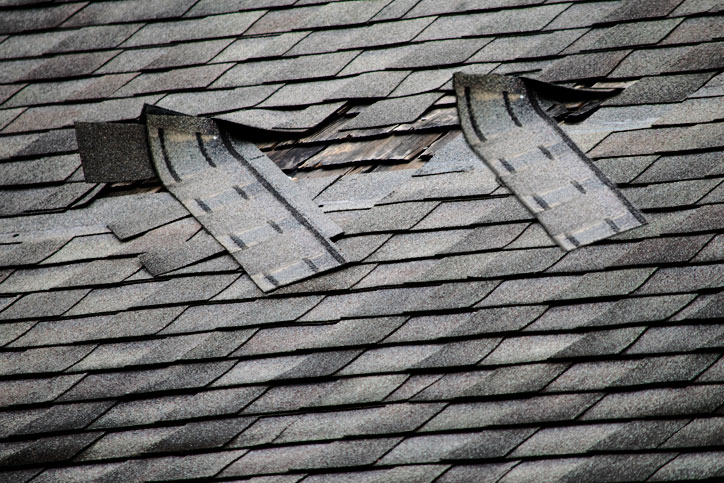
Severe thunderstorms, strong winds, and fallen tree limbs can leave York County homes vulnerable to sudden roof damage. Missing shingles, exposed decking, and damaged flashing allow rainwater to reach materials that are normally protected.
An emergency roof tarp provides temporary protection when permanent repairs cannot begin immediately. However, proper installation and timely action are important because water can continue entering through uncovered openings.
For homeowners in Rock Hill, York, Fort Mill, Clover, and nearby communities, understanding when tarping is necessary, how the process works, and what to document can help prevent additional property damage.
When Does Storm Damage Require an Emergency Roof Tarp?
Not every storm-damaged roof needs tarping. The decision depends on whether the damage exposes the roofing system to water and whether immediate repairs are possible.
Professional roof tarping is generally recommended when the roof has openings that could allow rainwater into the attic or living spaces.
Missing or Torn Shingles
Strong winds can lift, tear, or completely remove asphalt shingles. When enough shingles are displaced, the underlayment may become exposed.
Although roofing underlayment provides secondary water resistance, it is not intended to replace the finished roof covering for extended periods.
A tarp may be necessary when damaged sections cannot be repaired before the next rainfall.
Fallen Trees or Large Branches
Tree limbs can puncture shingles, damage roof decking, or affect structural components.
Even when the opening appears small, the impact may have damaged materials beneath the visible surface.
Do not climb onto the roof or attempt to remove heavy branches. A roofing contractor should evaluate the affected section after immediate structural and electrical hazards have been addressed.
Storm-Related Roof Leaks
Water stains, dripping ceilings, and wet attic insulation can indicate that rainwater has entered through damaged roofing materials.
Warning signs include:
- Water dripping from ceilings or attic framing
- New stains spreading across drywall
- Wet insulation beneath the roof decking
- Water entering around chimneys or roof vents
- Damp areas near damaged skylights
A professional inspection is necessary to locate the actual opening. Water can travel along framing before becoming visible indoors, so the leak may originate away from the ceiling stain.
Hail and Wind Damage
Hail can bruise shingles, fracture roofing materials, and damage flashing. Wind-driven rain may then enter through weakened areas.
However, hail marks alone do not automatically mean a roof requires tarping.
A contractor should determine whether the storm created an immediate water-entry risk or whether scheduled repairs are sufficient.
When Tarping May Not Be Necessary
Minor cosmetic damage, isolated granule loss, or a damaged gutter generally does not justify covering an entire roof.
If the roofing system remains watertight, targeted repairs may be more appropriate.
The purpose of emergency tarping is to protect exposed areas, not to cover every visible sign of storm damage.
What Should York County Homeowners Do Immediately After a Storm?
The first priority is protecting occupants from hazards. Roof damage should only be assessed when the storm has passed and conditions are safe.
Step 1: Check for Immediate Safety Hazards
Before approaching the property, look for fallen power lines, unstable trees, loose debris, and visible structural damage.
Stay away from areas where:
- Electrical wires are touching the house or ground
- Roof sections appear collapsed or severely sagging
- Large branches remain suspended overhead
- Water is entering electrical fixtures
- Ceilings are bulging from trapped water
If the building appears structurally unsafe, evacuate and contact emergency services.
Do not operate electrical equipment in wet areas. Electrical hazards should be assessed by qualified personnel.
Step 2: Inspect the Roof From the Ground
Homeowners should not climb onto a storm-damaged roof.
Wet shingles, loose materials, and weakened decking increase the likelihood of falls or structural failure.
From a safe location, look for missing shingles, exposed decking, displaced flashing, or debris resting against the roof.
Binoculars or a camera with a zoom feature can help document visible conditions without requiring roof access.
Avoid walking directly beneath damaged roof sections or unstable branches.
Step 3: Protect Interior Belongings
If rainwater is entering the house, move furniture, electronics, and personal belongings away from affected areas when safe.
Place containers beneath active drips and use towels to absorb water on accessible surfaces.
Keep people away from sagging ceilings and electrical fixtures exposed to moisture.
Avoid entering an attic where the roof structure may be compromised.
These measures help limit interior damage, but they do not stop water from entering through the roof.
Step 4: Photograph the Damage
Take clear photographs before temporary repairs begin, provided doing so does not create additional risk.
Useful documentation includes:
- Missing shingles and exposed roofing materials
- Fallen branches and storm debris
- Ceiling stains and active water leaks
- Damaged gutters, vents, or flashing
- Affected furniture and interior finishes
Record the date of the storm and when damage was first noticed.
Keep photographs in their original format when possible, along with any professional inspection reports.
Step 5: Arrange Professional Emergency Protection
Contact a qualified local roofing contractor when openings, active leaks, or exposed roofing materials require immediate attention.
Explain the type of damage, whether water is entering the home, and whether fallen trees or electrical hazards are present.
Eason Roofing provides emergency roof repair services for storm-related roofing problems in Rock Hill, York, and surrounding areas.
A professional assessment can determine whether temporary tarping, another protective measure, or an immediate repair is appropriate.
How Does Professional Emergency Roof Tarping Work?
A roof tarp is a temporary weather barrier installed over damaged roofing materials to reduce direct exposure to rain.
Effective installation requires more than placing plastic sheeting over a visible opening. The tarp must cover the affected area and remain secured against expected weather conditions.
Initial Roof Damage Assessment
Before installation, a roofing contractor evaluates the damaged area and determines whether roof access is safe.
The assessment typically considers:
- The size and location of the opening
- Roof pitch and accessibility
- Condition of the decking and supporting structure
- Remaining loose materials or debris
- Weather conditions and potential wind exposure
If the roof is unstable or weather conditions remain dangerous, installation may need to wait until safe access is possible.
Selecting the Appropriate Tarp Coverage
Roofing contractors generally use durable, water-resistant tarping materials suitable for temporary exterior exposure.
The material must extend sufficiently beyond the damaged section to help direct water away from vulnerable areas.
Covering only the visible hole may be ineffective because rainwater can travel beneath surrounding shingles.
The required tarp size depends on roof geometry, drainage patterns, and the location of the damage.
Securing the Tarp
Professional installation methods vary depending on the roof type and condition.
Contractors may use fastening systems and securing boards where appropriate to reduce movement during windy conditions.
Improper fastening can tear the tarp, damage roofing materials, or create additional water-entry points.
A poorly positioned tarp may also collect water rather than directing it away from the roof.
For these reasons, homeowners should avoid attempting installation on steep, wet, elevated, or structurally questionable roofs.
Checking Drainage and Coverage
Once the tarp is installed, the contractor checks whether the protected area is adequately covered and whether water can drain away.
Important considerations include avoiding excessive pooling, loose edges, and unnecessary obstruction of roof drainage.
No temporary tarp can guarantee complete waterproofing during severe weather.
High winds, heavy rainfall, and repeated storms can dislodge or damage temporary coverings.
How Long Can an Emergency Roof Tarp Stay in Place?
There is no universal timeframe for roof tarp performance.
Its useful service life depends on the material, installation quality, weather exposure, roof configuration, and condition of the underlying structure.
Some coverings may remain functional for several weeks, but homeowners should not assume a tarp will provide reliable protection for that entire period.
A roof tarp should remain in place only as long as reasonably necessary while permanent repairs are arranged.
If the covering becomes loose, damaged, or begins leaking, contact the contractor rather than attempting to reposition it yourself.
Emergency tarping reduces exposure. It does not restore damaged shingles, flashing, decking, or structural components.
What Happens After Emergency Roof Tarping?
Installing a tarp addresses the immediate exposure, but homeowners still need to determine the extent of roof damage and complete necessary repairs.
The next steps usually involve inspection, insurance communication, and repair planning.
Schedule a Detailed Roof Inspection
After the damaged area is temporarily protected, a roofing contractor can assess the roof more thoroughly.
A professional inspection may identify damaged shingles, compromised underlayment, deteriorated decking, displaced flashing, and possible structural concerns.
The contractor should also evaluate surrounding areas that may have been affected by wind or impact.
An inspection helps establish whether localized repairs are sufficient or whether more extensive roofing work is justified.
Notify Your Homeowners Insurance Company
Storm-related roof damage may be covered by homeowners insurance, depending on the cause of loss, policy exclusions, deductible, and other coverage conditions.
Homeowners should report damage promptly according to their insurer’s requirements.
When filing a claim, provide:
- Photographs taken after the storm
- The approximate date and cause of damage
- Records of active leaks or interior damage
- Roofing inspection findings
- Emergency tarping invoices and receipts
- Estimates for permanent repairs
Temporary measures intended to prevent additional damage may qualify for reimbursement, but coverage is not guaranteed.
For more information, review Eason Roofing’s insurance and roof claims resource.
Keep Records of Temporary Repairs
Maintain copies of contracts, invoices, photographs, and correspondence with contractors or insurers.
Documentation should distinguish the original storm damage from the temporary work performed afterward.
Avoid discarding damaged roofing materials if they may be needed for inspection, unless keeping them would create a hazard.
If emergency work must begin before an insurance adjuster visits, document conditions beforehand whenever it is safe and practical.
Plan Permanent Roof Repairs
Once the damage has been evaluated, the roofing contractor can recommend an appropriate repair scope.
Possible work includes replacing missing shingles, repairing flashing, replacing damaged decking, or addressing compromised roof components.
The scope should reflect actual conditions rather than assuming that every storm-damaged roof requires replacement.
For York County homeowners, timely repairs are especially important when additional thunderstorms or heavy rainfall are forecast.
Delaying permanent work can allow moisture to affect insulation, framing, and interior finishes, even when a temporary covering is installed.
Frequently Asked Questions About Emergency Roof Tarping
1. Does homeowners insurance cover emergency roof tarping?
Homeowners insurance may cover reasonable emergency tarping expenses when they result from a covered loss. Coverage depends on the policy, cause of damage, deductible, and insurer requirements. Keep photographs, invoices, and receipts for review.
2. Can I install an emergency roof tarp myself?
Professional installation is recommended, especially after storm damage. Wet shingles, unstable decking, steep roof slopes, and nearby electrical hazards create serious risks. Homeowners should not climb onto a damaged roof to install a tarp.
3. How quickly should a damaged roof be tarped?
Arrange temporary protection as soon as safely possible when the roof has exposed openings or active leaks. The timing depends on weather conditions, roof stability, contractor availability, and the severity of the damage.
4. Can a roof tarp stop all leaks?
A properly installed tarp can reduce water entry, but it cannot guarantee complete protection. Strong winds, heavy rain, poor drainage, and hidden openings may still allow moisture inside. Permanent repairs are necessary to restore the roof.
Protect Your York County Home With Emergency Roof Repair
Storm damage can expose your home to additional water intrusion, even after the severe weather has passed. Emergency roof tarping provides temporary protection while the damaged roofing system is evaluated and repaired.
Eason Roofing serves homeowners throughout York County, including Rock Hill, York, Fort Mill, Clover, and nearby communities. The team can assess storm-related roof damage, determine whether temporary protection is needed, and recommend appropriate repairs.
Call Eason Roofing at (803) 631-4505 or request emergency roof repair to discuss the damage to your home.
Contact Us Today
Request a Free Roofing Estimate
Tell us what you need and we’ll get back to you quickly. Prefer to talk? Call (803) 631-4505.