Table of Contents
Quick answer: The most common signs you need roof repair are broken or missing shingles, leaks or water stains on ceilings and walls, moss growing on the roof and a sagging roofline. Missing shingles and small stains should be repaired soon; active leaks, sagging and storm damage need a roofer right away.
Your roof provides a very important function for your home: protection. When it’s damaged, your home is left open to the mercy of nature. Don’t let your home suffer as a result of missing shingles or other needed roofing repairs. Instead call Eason Roofing for roof repair as soon as you can. But what if you aren’t sure that your roof is impaired? Here are five signs that you may need roof repair. Use these tips to help identify when your roof needs attention.
5 Signs You Need Roof Repair
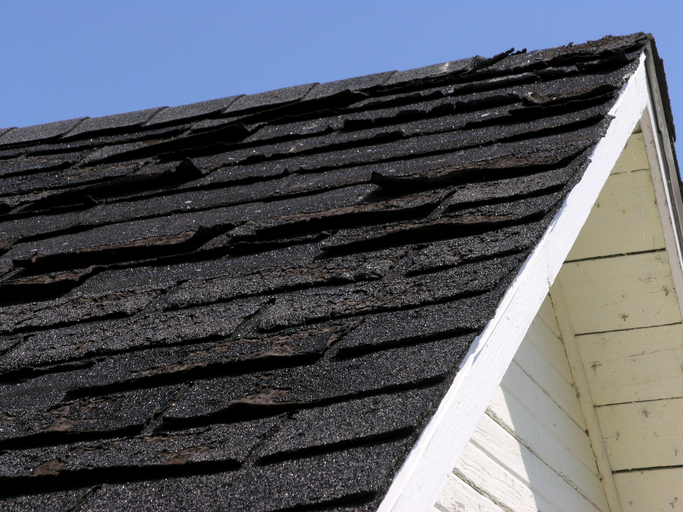
- Broken or missing shingles – Regardless of the number of shingles that are broken or missing, you need to contact a roof repair service. Shingles are the protective layer between your attic and the outdoor elements.
- Damaged flashing – When your flashing is damaged, it’s likely that your roof will have suffered damage, too. Moisture damage often is the result of damaged flashing.
- Water stains – Water stains inside your home can stem from many different problems, like your plumbing. However, the culprit could also be your roof. If you notice any odd discoloration on the walls and ceilings of your home, be sure to give us a call.
- Moss – Plant growth is never a good thing when it’s happening on your roof. Be especially wary of moss that’s growing on your shingles, since it traps in moisture.
- Sagging roof – A sagging roof is cause for serious concern. It’s a major indication that your roof may be falling apart. Depending on the extent of damage, your roof could only need repairs or it could require a full replacement.
Which Roof Problems Are Urgent?
Some of the signs above can wait for a scheduled repair, while others need attention right away. Here is how to tell the difference.
Do Missing Shingles Always Require Immediate Repair?
The urgency depends on the extent and location of the damage.
Why Shingles Matter
Shingles serve as the roof’s first line of defense against rain, wind, and sunlight.
When shingles are missing, the underlayment and roof deck become more vulnerable to moisture intrusion.
Single Shingle Versus Widespread Damage
A single missing shingle may not always constitute an emergency.
However, homeowners should still schedule a professional roof inspection promptly because exposed areas can deteriorate over time.
Multiple missing shingles create a much greater risk.
Weather Conditions Influence Urgency
The need for Emergency Roof Repair often increases when severe weather is expected.
Even small exposed sections can allow water infiltration during heavy rain or storms.
Prompt attention helps reduce the likelihood of interior damage.
Hidden Damage May Exist
Missing shingles can sometimes indicate broader roofing concerns.
Wind events strong enough to remove shingles may also loosen flashing, damage underlayment, or compromise nearby roofing materials. Homeowners dealing with this issue may find helpful guidance in this article about missing shingles and troubleshooting tips.
Professional evaluation helps identify issues that are not immediately visible.
Can Sagging Or Water Stains Indicate Serious Roof Issues?
Yes, both conditions may indicate significant roofing problems that require immediate attention.
What Causes Roof Sagging?
Sagging typically occurs when structural components weaken.
Possible causes include:
- Long-term water damage
- Rotting roof decking
- Structural deterioration
- Excessive weight
- Poor construction
Any noticeable sagging should be inspected without delay. In many cases, sagging may indicate deeper structural concerns similar to those discussed in sagging roof rafters and structural roof issues.
Water Stains Often Signal Hidden Leaks
Ceiling and wall stains frequently indicate water intrusion from above.
While the stain itself may appear minor, the source could involve ongoing moisture exposure within the roofing system.
Water often travels before becoming visible indoors.
Mold And Moisture Concerns
Persistent moisture can contribute to mold growth within attics, insulation, drywall, and framing materials.
Addressing the source of water intrusion quickly helps reduce the risk of secondary damage.
Small Stains Can Become Major Repairs
One of the most common Leaking Roof Warning Signs Rock Hill, SC homeowners overlook is a small ceiling stain.
Even a minor discoloration can signal an active leak that continues to worsen behind the scenes.
When Should I Call A Roofer For Emergency Repairs?
Certain situations warrant immediate professional assistance.
After Severe Weather Events
Following storms, homeowners should inspect their property from the ground for visible signs of damage.
Potential concerns include:
- Missing shingles
- Fallen tree limbs
- Visible roof punctures
- Damaged flashing
- Debris impact
If any of these conditions are present, contacting a roofing professional is recommended. Storm-related damage often requires fast action and may involve the roofing insurance process outlined in roofing insurance claims after storm damage.
When Water Is Entering The Home
Any active leak should be treated seriously.
Water can damage insulation, drywall, flooring, electrical systems, and structural components.
Immediate response helps limit the extent of the damage.
If Structural Changes Are Visible
Sagging rooflines, collapsing sections, or shifting materials should never be ignored.
These conditions may indicate compromised structural integrity and require urgent evaluation.
Before Additional Weather Arrives
Timing matters when dealing with roof damage.
Addressing problems before another storm arrives can significantly reduce repair complexity and overall costs.
Prompt action is often the most effective form of protection.
When Safety Is A Concern
If roofing materials become loose or unstable, they may pose risks to occupants and nearby property.
Emergency assessment helps determine whether immediate stabilization or repair is necessary.
How Do I Know If Roof Damage Is Structural Or Cosmetic?
Understanding the difference helps homeowners prioritize repairs appropriately.
What Is Cosmetic Damage?
Cosmetic damage affects appearance more than performance.
Examples may include:
- Minor granule loss
- Small surface dents
- Discoloration
- Slight weathering
- Aesthetic imperfections
These issues may not immediately impact roof function.
What Is Structural Damage?
Structural damage affects the roof’s ability to protect the home.
Examples include:
- Leaks
- Rotting wood
- Deck deterioration
- Sagging sections
- Damaged framing
- Major flashing failures
Structural concerns typically require faster intervention.
Visual Assessment Has Limits
Some roofing problems are difficult to identify from ground level.
What appears cosmetic may actually involve hidden water intrusion or underlying deterioration.
Professional inspections provide a more accurate understanding of the situation.
Why Early Diagnosis Matters
Waiting too long to investigate roofing concerns can allow structural problems to expand.
Small issues often become larger repairs when moisture continues penetrating vulnerable areas.
One of the most valuable steps homeowners can take is scheduling an inspection whenever significant Roof Damage Signs appear.
Professional Evaluation Provides Clarity
Roofing specialists evaluate:
- Roof decking condition
- Flashing integrity
- Moisture intrusion
- Structural stability
- Ventilation concerns
This comprehensive assessment helps determine whether repairs are cosmetic, structural, or somewhere in between.
Insurance Considerations
Structural damage may affect insurance claims differently than cosmetic issues.
Documenting damage quickly and obtaining professional evaluations can help support the claims process when applicable.
Protecting Long-Term Roof Performance
Even when damage appears minor, professional guidance can help homeowners make informed decisions.
Early intervention often preserves roofing materials and extends overall roof lifespan.
Recognizing the difference between cosmetic concerns and conditions requiring Emergency Roof Repair helps homeowners respond appropriately and protect their investment.
Frequently Asked Questions
What are the signs I need roof repair?
Common signs include broken or missing shingles, leaks or water stains on ceilings and walls, moss growing on the shingles and a sagging roofline. Any of these should be checked by a roofer.
Do missing shingles always need immediate repair?
Even a few missing shingles leave the underlayment and decking exposed to rain and wind, so they should be replaced promptly before water gets in and causes bigger damage.
Is a sagging roof an emergency?
Yes. A sagging roof can mean water-damaged decking or a structural problem. Have it inspected right away and keep people away from the affected area.
When should I call a roofer for an emergency repair?
Call right away after severe storms, when water is coming into your home, when you see structural changes such as sagging, before more bad weather arrives, or whenever damage creates a safety concern.
If you notice any of these signs, give Eason Roofing a call for roof repair. We’ll be there to help your roof when it’s in need!
Eason Roofing is a residential and commercial roofing contractor serving Rock Hill, Fort Mill, Lake Wylie, Clover, and surrounding areas of North and South Carolina. Contact us for a free estimate on roof repair and roof replacement.