Table of Contents
Table of Contents
- Is Flat Roof Better Than a Pitched Roof?
- What are The Disadvantages of a Flat Roof?
- Do Pitched Roofs Last Longer Than Flat Roofs?
- Which Roof Type is More Energy-Efficient?
- Are Flat Roofs More Prone to Leaks?
- Which Roof Style is Cheaper to Maintain?
- Final Thoughts
- Choose the Roof Style That Fits Your Property Best
Choose the Roof Style That Fits Your Property Best
A roof does more than cover your property. It plays a big role in protection, appearance, and long-term value.
If you are planning a roof installation in Rock Hill, SC, one of the first choices you may face is flat roof vs pitched roof. Both have benefits, but they also come with different challenges when it comes to cost, upkeep, and performance.
That is why a clear roof design comparison in Rock Hill, SC can be so helpful. Knowing the pros and cons of each style makes it easier to choose the option that fits your property, your goals, and your budget.
Is a Flat Roof Better Than a Pitched Roof?
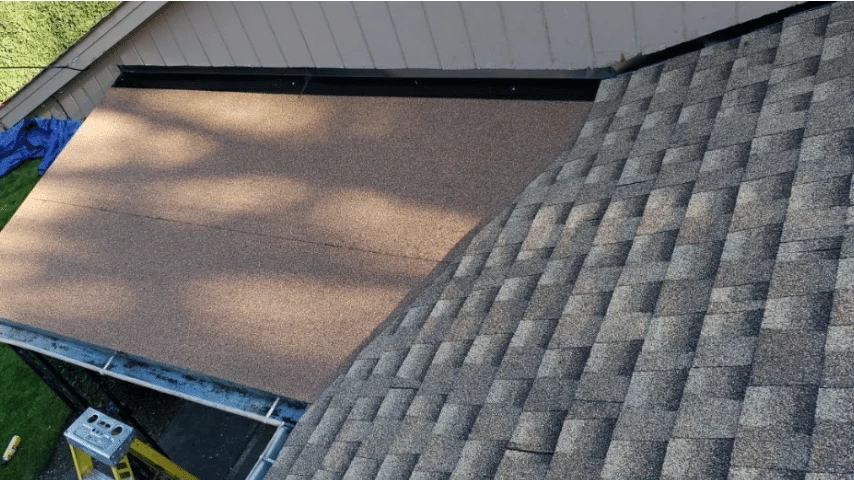
Whether a flat roof is better than a pitched roof depends on your specific needs. Both roof styles offer distinct benefits, and the best choice depends on factors like the style of your home, climate, and budget.
Benefits of Flat Roofs
- Modern Aesthetic: Flat roofs are often chosen for their sleek, modern look. They are commonly seen in contemporary architecture and are perfect for homes with minimalist designs.
- Additional Usable Space: With a flat roof, you can use the roof as an additional living space, whether it’s for a rooftop garden, patio, or even solar panels.
- Cost-Effective: Flat roofs tend to be more affordable to install compared to pitched roofs because they require fewer materials and are easier to construct.
Benefits of Pitched Roofs
- Classic Appeal: Pitched roofs are the traditional roof style for residential homes and can add a classic, timeless aesthetic to your property.
- Better Water Drainage: Pitched roofs allow water and snow to easily slide off the roof, which helps prevent moisture buildup and leaks. This is particularly advantageous in areas with heavy rainfall or snowfall.
- Increased Durability: Due to their design, pitched roofs tend to be more durable and can withstand severe weather conditions better than flat roofs.
In conclusion, if you’re looking for a modern, cost-effective roofing option with additional usable space, a flat roof might be the best choice. On the other hand, if you want a more traditional appearance with better water drainage and durability, a pitched roof may be the better option.
What are the Disadvantages of a Flat Roof?
While flat roofs offer many benefits, they come with some drawbacks that you should consider before making your decision.
Disadvantages of Flat Roofs
- Water Drainage Issues: One of the main drawbacks of a flat roof is the potential for water drainage problems. Because flat roofs don’t allow water to naturally run off, water can pool on the roof if the drainage system isn’t functioning properly. Over time, this can lead to leaks and water damage.
- Prone to Leaks: Flat roofs are more prone to leaks, especially if the roofing materials start to degrade. Over time, weather conditions such as heavy rain, wind, or hail can damage the roofing materials, making them more susceptible to leaks.
- Maintenance: Flat roofs require more frequent maintenance to ensure that they are properly sealed and the drainage system is clear. Regular inspections are essential to prevent water damage and to prolong the life of the roof.
- Shorter Lifespan: Flat roofs generally have a shorter lifespan compared to pitched roofs due to the challenges associated with drainage and wear and tear. They may need to be replaced more frequently, especially in regions with harsh climates.
While flat roofs are affordable and offer additional living space, they require regular maintenance and careful attention to prevent issues like leaks and drainage problems. If you want to stay ahead of early warning signs, this guide on how to detect a roof leak offers helpful insight.
Do Pitched Roofs Last Longer Than Flat Roofs?
Pitched roofs generally have a longer lifespan than flat roofs due to their superior design for water drainage and better resistance to the elements.
Lifespan of Pitched Roofs
- Durable Materials: Pitched roofs are often made from more durable materials such as slate, tile, or metal, which can last up to 50 years or more with proper maintenance.
- Better Weather Protection: The sloped design of pitched roofs helps shed rain, snow, and debris, which reduces the risk of damage and helps the roof last longer.
Lifespan of Flat Roofs
- Shorter Lifespan: Flat roofs, on the other hand, typically last 15-20 years, depending on the materials used and how well the roof is maintained. They are more vulnerable to wear and tear, which can shorten their lifespan.
- Exposure to the Elements: Flat roofs are exposed to more wear from standing water, UV rays, and temperature fluctuations, which can lead to degradation of the roofing materials and a shorter lifespan.
If longevity is a top priority, pitched roofs are the better option. They tend to last longer and require fewer repairs than flat roofs over time.
Which Roof Type is More Energy-Efficient?
Energy efficiency is a crucial factor when choosing a roof, especially if you live in an area with extreme temperatures. Both flat roofs and pitched roofs can be energy-efficient, but the type of materials and the way the roof is constructed play a significant role.
Energy Efficiency of Flat Roofs
- Better Insulation Options: Flat roofs offer more opportunities for insulation and can be equipped with energy-efficient materials such as reflective coatings and cool roofing systems. These materials help reduce heat absorption and lower cooling costs during hot months.
- Roof Gardens and Green Roofs: Flat roofs can be used for roof gardens or green roofs, which provide additional insulation and help reduce the heat island effect. These features can make a flat roof more energy-efficient, especially in urban environments.
Energy Efficiency of Pitched Roofs
- Better Airflow and Ventilation: Pitched roofs provide better airflow and ventilation, especially if they have an attic. This can help regulate indoor temperatures and reduce the need for air conditioning.
- Reflective Materials: Pitched roofs can also be made with reflective materials that minimize heat absorption and lower energy costs. However, they may not provide the same level of energy efficiency as flat roofs with green or cool roofing options.
Both roof types can be energy-efficient, but if you’re looking for the most energy-efficient roofing option, consider a flat roof with cool roofing or green roof features, as they offer more potential for insulation and heat reduction. The U.S. Department of Energy explains how cool roofs can help reduce heat gain and improve energy performance. You can also explore roof ventilation solutions to support better indoor comfort and efficiency.
Are Flat Roofs More Prone to Leaks?
Flat roofs are generally more prone to leaks than pitched roofs, mainly due to the way they are designed.
Why Flat Roofs are More Prone To Leaks
- Poor Drainage: The biggest reason flat roofs are more likely to leak is the lack of natural drainage. Without proper slope, water can pool on the roof and eventually find its way into the building, causing leaks.
- Damage to Materials: Over time, flat roofs can suffer from damage due to UV rays, temperature fluctuations, and weather conditions like hail or heavy rain. Cracks or punctures in the roofing materials can lead to leaks if not promptly addressed.
- Debris Accumulation: Since flat roofs are level, debris such as leaves, branches, and dirt can accumulate, blocking the drainage system. This can cause water to collect and increase the risk of leaks.
How to Prevent Leaks in Flat Roofs
Regular inspections, proper drainage, and high-quality materials can help prevent leaks in flat roofs. Additionally, investing in impact-resistant roofing materials can help minimize damage from storms or falling debris.
Which Roof Style is Cheaper to Maintain?
When it comes to maintenance, flat roofs are generally cheaper to maintain than pitched roofs, although both types require regular care.
Maintenance Costs for Flat Roofs
- Lower Installation Costs: Flat roofs are easier and less expensive to install compared to pitched roofs, and they often have lower maintenance costs in terms of labor.
- Regular Inspections: Flat roofs do require more frequent inspections and cleaning to ensure that the drainage system is working properly and to prevent water buildup, but overall maintenance is simpler and more affordable.
Maintenance Costs for Pitched Roofs
- Higher Repair Costs: While pitched roofs are more durable, repairs can be more expensive due to the complexity of the roof structure and the cost of materials. For example, tile or slate roofs can be more costly to repair than a flat roof made of asphalt or rubber.
- Less Frequent Maintenance: Since pitched roofs tend to have fewer drainage problems and are less prone to damage, they may require fewer repairs over time.
While flat roofs tend to be more affordable in terms of maintenance, pitched roofs generally offer better long-term durability with fewer ongoing issues. Scheduling roof inspection services can help keep either roof type in better condition and reduce avoidable repair costs.
Final Thoughts
A roof does a lot more than cover a building. It affects performance, protection, appearance, and maintenance for years to come.
That is why comparing flat and pitched roofs carefully is such an important step before making a final decision.
Each style offers benefits, but each also comes with trade-offs that can impact your budget and long-term satisfaction.
When you take time to understand the pros and cons of both roof types, you put yourself in a much better position to choose the one that works best for your property and overall priorities.
For a deeper look at long-term care, this article on how to better take care of your roof can help you plan ahead.
Choose the Roof Style That Fits Your Property Best
A new roof is a major investment, so it helps to make the decision with clear information and expert support.
Whether you are leaning toward a flat roof for its modern look or a pitched roof for its durability and drainage, the right choice depends on your goals, budget, and property type.
Eason Roofing provides professional guidance and roof installation in Rock Hill, SC services to help homeowners and business owners choose with confidence.
Schedule a consultation today and get the insight you need to move forward with the right roofing solution.