Table of Contents
Is DIY Roof Repair Dangerous?
Yes. DIY roof repair can be dangerous because homeowners are working at height on surfaces that may be steep, wet, damaged, or unstable. Falls are the most obvious concern, but electrical lines, weak decking, loose shingles, and sharp materials can also cause injuries.
Roof Conditions Can Change Quickly
A roof that looks dry from the ground may still have slick areas, loose granules, moss, or unstable materials. Wind can also affect balance, especially when someone is carrying shingles, tools, or sheet materials.
Professional crews use fall protection, ladders, footwear, staging equipment, and established work procedures suited to roof access. Safety equipment must also be used correctly to provide meaningful protection.
Hidden Damage Adds Risk
Leaks can weaken roof decking beneath shingles or underlayment. A person may step on an area that appears solid but has deteriorated underneath.
Professional roof inspection helps identify soft decking, damaged flashing, and structural concerns before repair work begins.
Can I Repair My Roof Without Professional Help?
Some minor maintenance tasks can be handled from the ground, but roof repairs themselves are often better left to trained professionals. Whether a repair is appropriate for DIY work depends on roof height, slope, material, weather, damage extent, and the homeowner’s experience.
Small Problems Can Have Larger Causes
A missing shingle may look like an isolated problem. However, nearby fasteners, underlayment, flashing, or decking may also be damaged.
Likewise, water appearing on a ceiling does not always enter directly above the stain. Water can travel along rafters, sheathing, or insulation before becoming visible indoors. Understanding how to detect a roof leak can help explain why the visible symptom may not identify the actual entry point.
Diagnosis Matters Before Repair
Applying sealant to the visible area may temporarily hide symptoms without correcting the entry point.
Professional roof repair services typically begin by tracing the problem, checking surrounding components, and determining whether a localized repair is appropriate or broader work is needed.
Why Do Roofing Contractors Recommend Professional Installation?
Roofing contractors recommend professional installation because roofing materials must be installed as part of a complete water-shedding system. Shingles, flashing, underlayment, ventilation, penetrations, fasteners, and roof edges all need to work together.
Installation Details Affect Performance
Incorrect nail placement can leave shingles vulnerable to wind damage. Poor roof flashing can allow water behind siding, around chimneys, or near roof valleys.
Improper underlayment overlaps can also create pathways for moisture. These mistakes may not become visible immediately.
Professionals Follow System Requirements
A qualified roofing contractor works from manufacturer instructions, local code requirements, roof geometry, and site conditions.
Professional installation also provides documentation. Contracts, invoices, photographs, and warranty records can help establish what work was completed and which materials were used.
That documentation becomes important when warranty questions, future repairs, insurance claims, or a property sale arise.
Does DIY Roofing Affect My Warranty?
DIY roofing can affect warranty coverage depending on the product manufacturer, installation requirements, and the type of work performed. Some warranties require materials to be installed according to detailed specifications, while enhanced warranties may require an approved or certified contractor.
Manufacturer Requirements Matter
Roofing manufacturers often specify nail type, fastener placement, ventilation, underlayment, flashing, and accessory products. Installation that does not follow these requirements can create warranty problems if failure occurs later.
Homeowners should read the roofing warranty information before making repairs rather than assuming a small change will have no effect.
Contractor Warranties Are Separate
If a professional contractor previously installed the roof, independent repairs may also affect the contractor’s workmanship warranty.
Contact the original installer before altering covered areas. A simple repair performed by someone else could make it harder to determine whether future damage came from the original work or the later modification.
How Much Money Can I Save With DIY Roof Repairs?
DIY repairs may reduce labor costs for a simple task, but the real savings depend on material purchases, equipment, safety gear, disposal, time, and whether the repair is completed correctly the first time.
Upfront Savings Can Be Misleading
A homeowner may compare the price of a bundle of shingles with a professional repair estimate and assume the difference is pure labor.
Professional pricing can include inspection, travel, specialized tools, safety equipment, matching materials, removal of damaged components, cleanup, disposal, overhead, and warranty responsibility.
Mistakes Can Increase Total Cost
If a DIY repair does not stop the leak, water may continue damaging decking, insulation, drywall, or framing.
A second repair then adds cost to the original attempt. In some cases, incorrect work must be removed before the roof can be repaired properly.
The better comparison is total risk and long-term cost, not just the initial invoice.
What Tools Are Needed For Roof Repair?
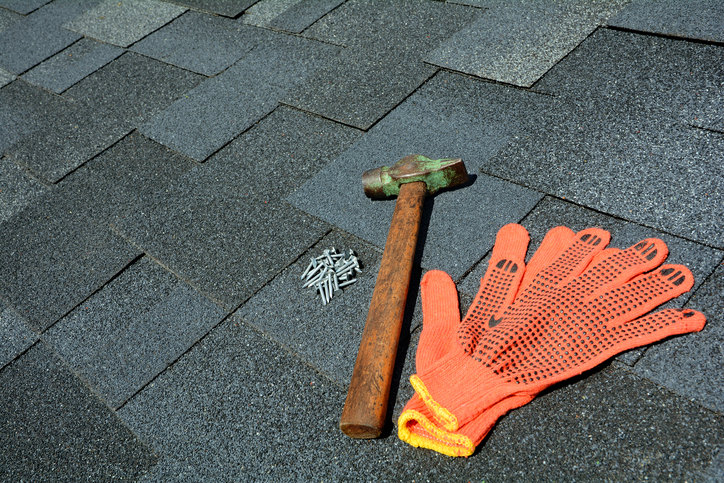
Roof repair can require more equipment than a hammer and replacement shingles. Tools vary by material and repair type, but safe access and fastening are basic requirements.
Common Roofing Tools
Depending on the project, professionals may use:
- Roofing nailers
- Hammers
- Pry bars
- Utility knives
- Measuring tools
- Chalk lines
- Snips
- Sealant guns
- Shingle removers
- Magnetic sweepers
- Specialized flashing tools
Ladders and fall-protection equipment are equally important.
Material-Specific Equipment
Metal roofing may require snips, seam tools, appropriate fasteners, and equipment that will not damage protective finishes.
Flat or low-slope roofing systems can require rollers, adhesives, heat equipment, primers, or other manufacturer-specific tools.
Owning a tool does not replace training. Correct technique, fastener selection, pressure settings, material handling, and weather conditions all affect the quality of the finished repair.
What Are The Risks Of Improper Roof Installation?
Improper roof installation can cause leaks, premature material failure, poor ventilation, wind damage, structural deterioration, and warranty disputes. Some problems develop slowly, which makes installation quality especially important.
Water Can Reach Hidden Areas
Poor flashing around chimneys, walls, skylights, plumbing vents, and valleys can allow water beneath the roof covering.
Once moisture reaches decking or framing, damage may remain hidden until staining, mold, sagging, or wood deterioration becomes noticeable.
Ventilation Problems Can Affect The Roof
Roof systems also depend on appropriate roof ventilation. Blocked intake vents or poorly balanced ventilation can contribute to heat and moisture accumulation.
That can affect roof decking, insulation performance, and indoor comfort.
Incorrect Repairs Can Spread Damage
Driving fasteners in the wrong location, lifting shingles carelessly, or applying incompatible sealants can damage surrounding materials.
Professional repairs aim to correct the original problem while preserving nearby roof components. Proper installation also reduces the chance that a small issue becomes a larger repair during the next storm or period of heavy rain.
Key Takeaways
Professional roofing work is often preferred because roof repairs involve safety risks, hidden damage, specialized installation requirements, and potential warranty concerns. DIY repairs may appear cheaper, but incorrect diagnosis or installation can lead to leaks, damaged decking, interior repairs, and repeated costs.
Homeowners should consider the roof’s height, slope, material, age, and warranty terms before attempting work themselves. Professional inspection can identify the actual source of a problem and determine whether a localized repair is enough.
Choosing qualified help can protect both the roof system and the home beneath it.
Make Roof Repairs With Better Information
Eason Roofing helps homeowners evaluate roofing problems before deciding how repairs should be handled. A visible leak, missing shingle, or damaged flashing may be only one part of the issue, so understanding the surrounding roof system matters.
Our team can assess roof condition, identify likely causes, and explain appropriate repair options based on the materials and damage present. If your roof needs attention, professional evaluation can help you avoid unnecessary work, address problems correctly, and make a more informed decision about protecting your home.