
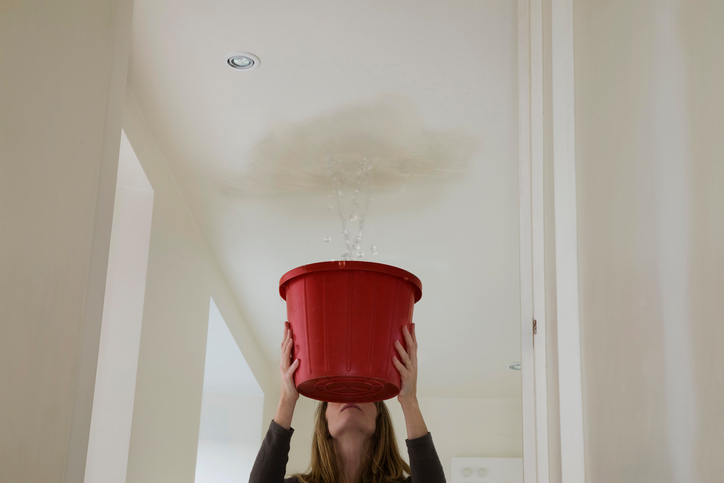
Winter storms don’t wait for the holidays to be over. Between Christmas and New Year’s, roofs take a quiet beating from heavy rain, cold winds, and sudden temperature drops.
Small cracks and weak spots that went unnoticed earlier can quickly turn into leaks when storms roll through back to back. That short window after Christmas is when many homeowners realize their roof isn’t as protected as they thought. Roof waterproofing services matter most during this time because they stop minor issues from becoming expensive repairs.
A well-sealed roof keeps water out, protects insulation, and brings peace of mind while storms keep coming and the year winds down.
Why is Roof Waterproofing Critical During Late December Storm Seasons?
Late December sits at an awkward intersection of weather conditions. In many regions, temperatures fluctuate enough to create repeated cycles of wet, cold, and mild conditions. That constant change is tough on roofing materials.
Roof waterproofing becomes critical during this time because:
- Roof systems are already fatigued from earlier seasonal weather
- Cold temperatures reduce material flexibility
- Sealants and flashing joints are more likely to fail
- Drainage systems are under continuous pressure
By the time Christmas arrives, roofs have already endured months of exposure. Summer heat dries materials out. Fall brings debris buildup and clogged drainage. When winter storms arrive, water has an easier path to places it does not belong.
Waterproofing acts as a defensive layer. It is not just about blocking water from entering the home. It is about managing how water moves across the roof, how long it lingers, and where it is allowed to go.
During late December storms, rain often comes in waves rather than short bursts. Roofs stay wet longer, which increases the likelihood of seepage. Waterproofing helps roofs handle prolonged exposure without absorbing moisture or allowing leaks to develop.
How Do Winter Rain Patterns Increase the Risk of Roof Leaks After Christmas?
Winter rain behaves differently than summer rain, and that difference matters more than most people realize.
After Christmas, storm systems tend to bring steady, soaking rain rather than quick downpours. That type of rain finds weaknesses that faster storms might not.
Several factors make winter rain especially risky:
- Lower evaporation rates keep roofs wet longer
- Wind-driven rain forces water under shingles and flashing
- Cold temperatures slow drainage and increase pooling
- Saturated materials become heavier and more vulnerable
Unlike summer storms, winter rain does not dry quickly. Moisture lingers in small cracks, under flashing, and along seams. Over time, that moisture works its way inside.
Another issue is interior temperature contrast. Warm air inside the home meets cold roofing surfaces, creating condensation. That moisture adds to the problem, especially in poorly ventilated roof systems.
Homeowners often mistake winter leaks for plumbing issues or condensation problems because they do not present the same dramatic signs as summer leaks. Instead of visible dripping, they show up as:
- Stains that slowly expand
- Damp insulation
- Musty odors in attics
- Subtle ceiling discoloration
Roof waterproofing reduces the chances of these slow, silent leaks forming during extended winter rain events.
What Types of Roof Damage are Most Common Between Christmas and New Years Storms?
The damage that shows up between Christmas and New Year’s is rarely sudden or catastrophic at first. It is usually the result of existing vulnerabilities being pushed past their limit.
Some of the most common issues seen during this period include:
- Flashing failures
Flashing around chimneys, vents, and skylights often becomes brittle over time. Winter rain and wind exploit gaps, allowing water to penetrate. - Underlayment exposure
Shingles weakened by age or wind lift slightly, exposing the underlayment. Prolonged moisture can saturate these layers. - Valley leaks
Roof valleys collect large volumes of water. Any breakdown in waterproofing here leads to leaks fast. - Edge and fascia damage
Water that backs up or overflows gutters can seep into roof edges and fascia boards. - Flat and low-slope roof pooling
Commercial and residential flat roofs struggle with drainage during winter rain, increasing leak risk.
What makes late December storms especially frustrating is timing. Many roofing suppliers and crews operate on reduced schedules during the holidays. Emergency repairs become harder to schedule, and minor issues can quickly escalate.
Roof waterproofing helps minimize these risks by reinforcing vulnerable areas before they are exposed to prolonged moisture.
How Does Roof Waterproofing Help Prevent Emergency Repairs During Year-End Storms?
Emergency roof repairs during the holidays are never ideal. They are stressful, expensive, and often unavoidable once water finds its way inside. Waterproofing services help shift the situation from reactive to preventive.
Waterproofing works by:
- Sealing vulnerable seams and transitions
- Creating moisture-resistant barriers
- Improving drainage efficiency
- Extending the life of existing roofing materials
When properly applied, waterproofing allows roofs to handle heavy rain without absorbing water or allowing infiltration. That means fewer surprise leaks during storms and less need for urgent repairs.
Another benefit is predictability. Roof waterproofing reduces uncertainty during storm season. Homeowners can enjoy the holidays without constantly worrying about what the next storm might reveal.
Preventive waterproofing also helps avoid secondary damage. Roof leaks rarely stay contained. Water spreads into insulation, drywall, and structural components. Repairing those issues often costs far more than addressing the roof itself.
By investing in waterproofing before or during late December, property owners reduce the likelihood of:
- Interior water damage
- Mold growth
- Electrical hazards
- Structural deterioration
In many cases, waterproofing buys time. It stabilizes the roof system through the harshest part of winter and allows for more strategic repairs or replacements later when conditions improve.
The Timing No One Talks About
There is an uncomfortable truth about the week between Christmas and New Year’s. It is when many homeowners are least attentive to their properties. Travel, family gatherings, and disrupted routines mean problems often go unnoticed until they become serious.
Roofs do not care about calendars. Storms do not pause for holidays. Waterproofing services recognize this reality and work to protect homes when attention is elsewhere.
This is not about fear. It is about realism. Late December storms are predictable in their unpredictability. They show up every year, and they test roofs every year.
The difference is whether a roof is prepared.
Protect Your Roof Before The Calendar Turns
At Eason Roofing, we know that late December storms do not wait for convenient timing. We have seen firsthand how small vulnerabilities turn into major issues during this narrow but intense weather window.
If your roof has faced a full year of wear and tear, now is the time to reinforce it. Roof waterproofing is one of the smartest ways to protect your home when storms are persistent and options are limited.
Let Eason Roofing help you close out the year with confidence, knowing your roof is ready for whatever the next storm brings.